
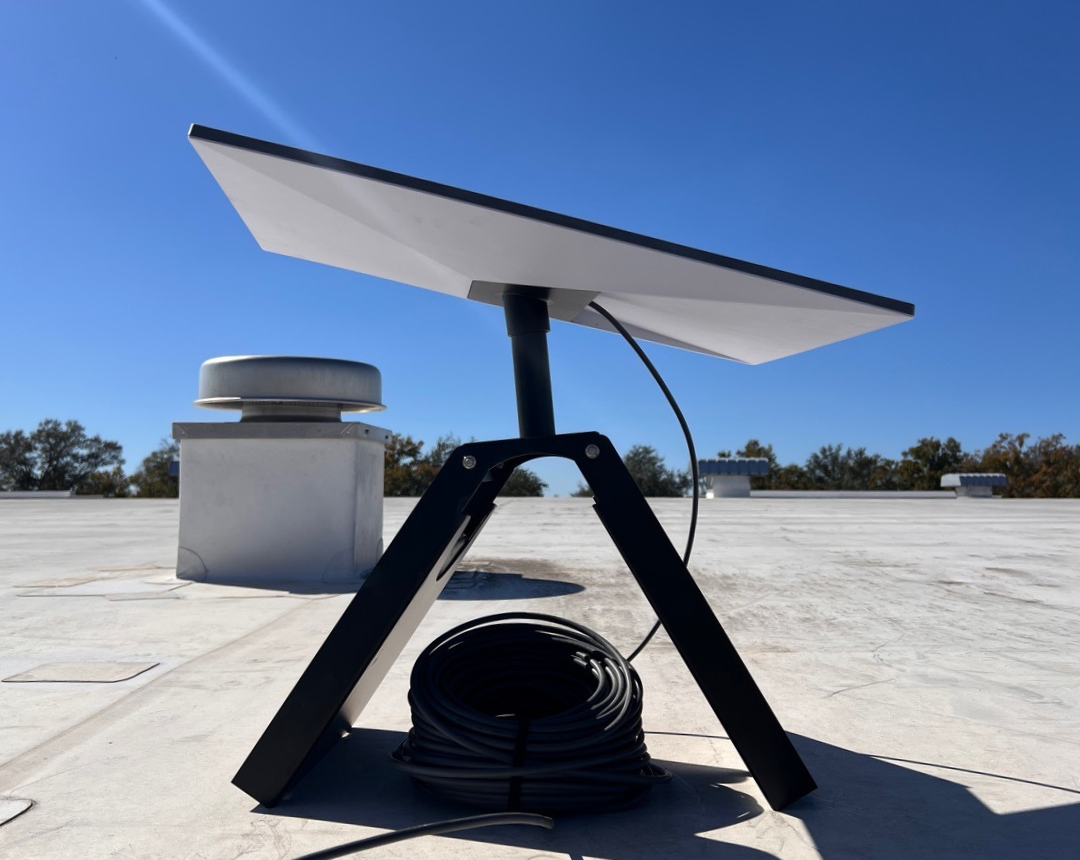
A Starlink installer is a professional who sets up Starlink satellite internet systems, including mounting the dish, running cabling, configuring the network, and ensuring optimal signal performance.
While installing Starlink at a single location can be done independently, businesses often require professional Starlink installation services to ensure reliability, proper integration, and scalability. For multi-location operations, nationwide Starlink installers like Netfor provide consistent deployment, reduce downtime, and ensure every site meets the exact same performance and connectivity standards.
Starlink promises high-speed internet anywhere on the globe. The difference between a working connection and a failing one comes down to how the system is installed. Many people assume you can simply install Starlink straight out of the box. Real-world deployments introduce technical, environmental, and operational complexity. This is especially true for rural convenience stores, state parks, and retail operations.
Businesses rely on uninterrupted connectivity to process transactions, manage inventory, and communicate with customers. A poor installation compromises these critical functions. This guide breaks down what a Starlink installer does and explains how to install Starlink correctly. We will also explore why businesses rely on professional Starlink installation services for reliable and scalable connectivity across multiple locations.
What is a Starlink installer and what do they do?
A Starlink installer is a specialized technician responsible for the physical and digital setup of a Starlink satellite internet system. Their role goes far beyond plugging in a router. These professionals handle complex physical mounting, weatherproofing, structured cabling, and advanced network integration.
There is a significant difference between a consumer performing a DIY setup and professional Starlink installers managing a business deployment. A typical DIY installation might involve placing the dish on a patio and running a cable through a window. Professional Starlink installation pros ensure the hardware is permanently secured to a commercial roof, integrated with existing IT infrastructure, and compliant with safety codes.
Starlink user terminals perform globally synchronized handovers roughly every 15 seconds (arXiv, 2026). The dish requires a completely uninterrupted line of sight to the sky to maintain a stable connection during these handovers. Any minor obstruction causes packet loss and degrades overall network performance. Starlink installers use precise obstruction analysis tools to find the optimal mounting location.
Professional installers also handle power requirements and complex network configurations. Business installations often bypass the default Starlink hardware entirely. Installers connect the satellite feed directly into enterprise-grade routers to maintain corporate security protocols and support technology deployment and rollout services.
How We Install Starlink: Step-by-step
Understanding how we install Starlink helps businesses appreciate the value of professional installation. Proper setup requires careful planning and execution. We follow this exact process to ensure every site achieves maximum reliability and performance.
1. Choose an installation location with a clear sky view
The dish needs an unobstructed view of the sky to track low-earth orbit satellites. Even a single tree branch can disrupt the signal. Obstruction-related outages account for up to 45% of network downtime in poorly placed setups (arXiv, 2026). Urban environments pose a specific challenge and can see a 12 to 21% outage probability due to building blockages. Starlink installers use digital mapping tools to select the perfect placement.
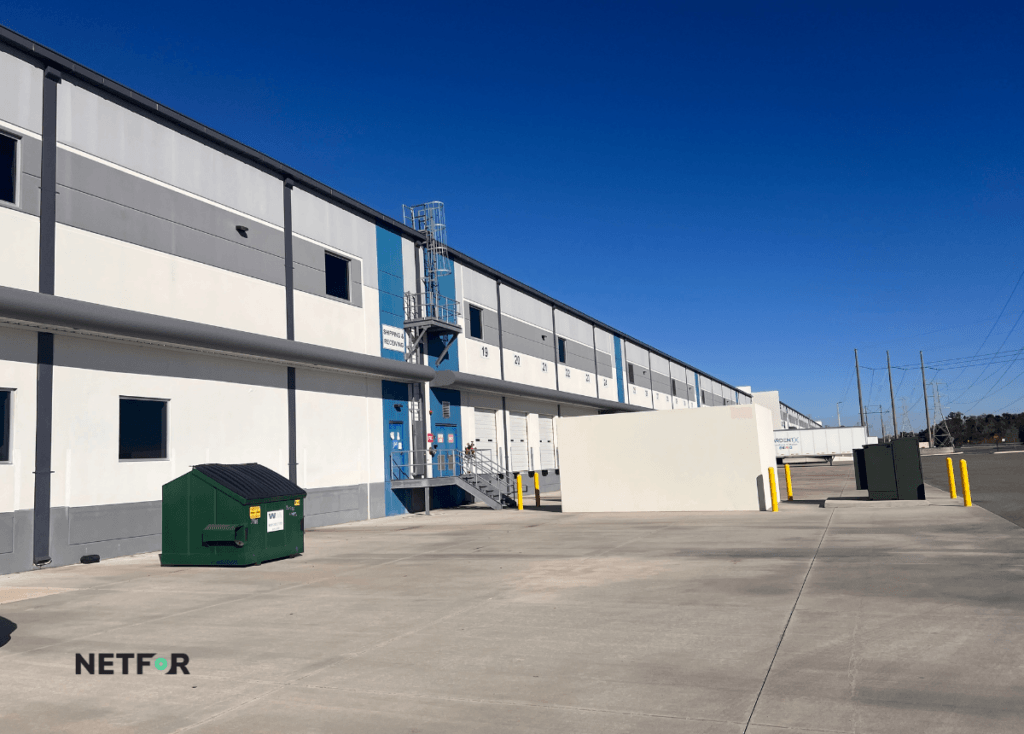
2. Mount the dish securely and account for wind load
Commercial rooftops require heavy-duty mounting solutions. The mount must be secured to withstand high wind loads and harsh weather conditions. Professional installers tether the equipment properly to prevent hardware failure and ensure compliance with occupational safety regulations.
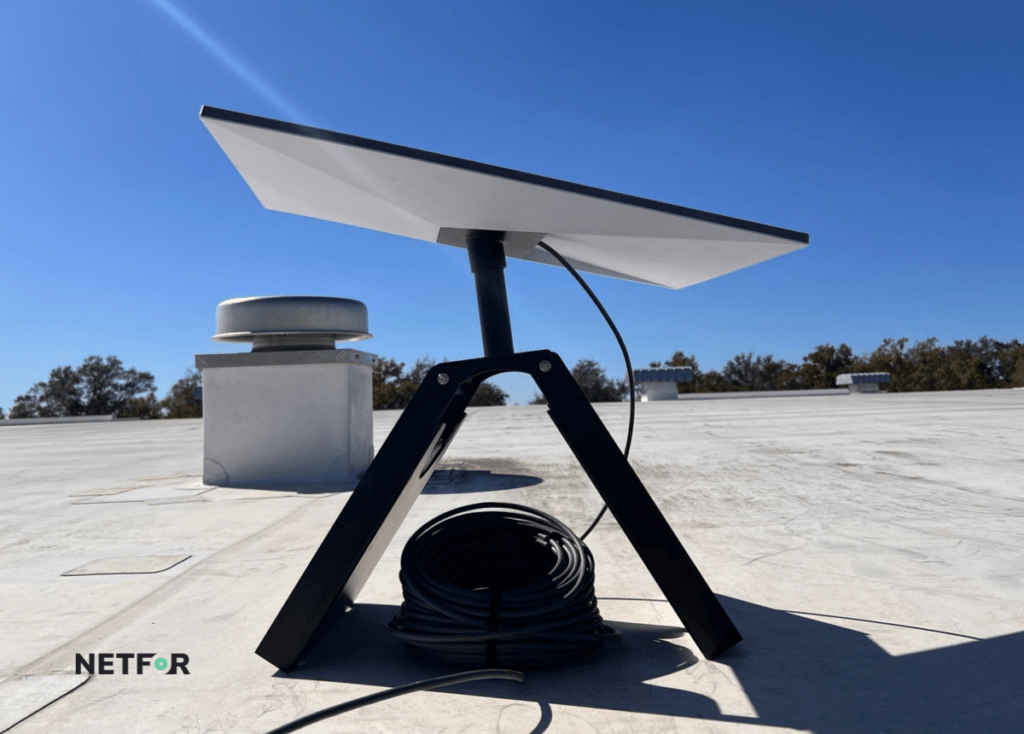
3. Run and seal cabling properly
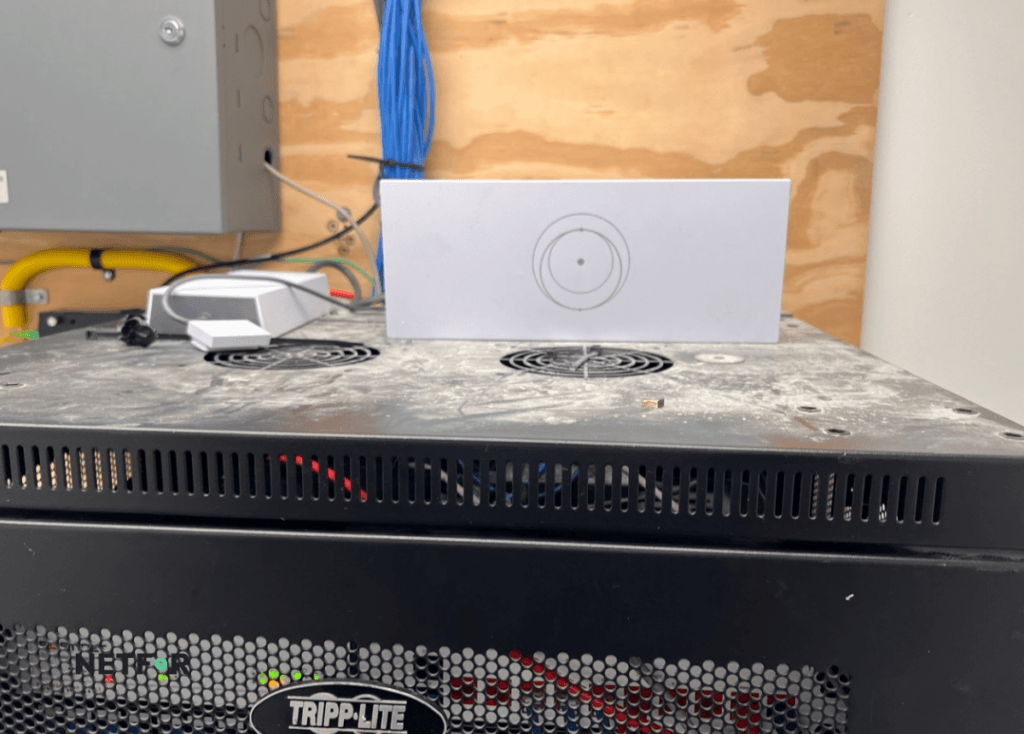
A Starlink install requires routing cables from the exterior dish to the interior networking closet. Low voltage installers drill precise entry points and run structured cabling through walls and conduits. They must apply silicone sealant and create drip loops to prevent water intrusion and electrical damage.
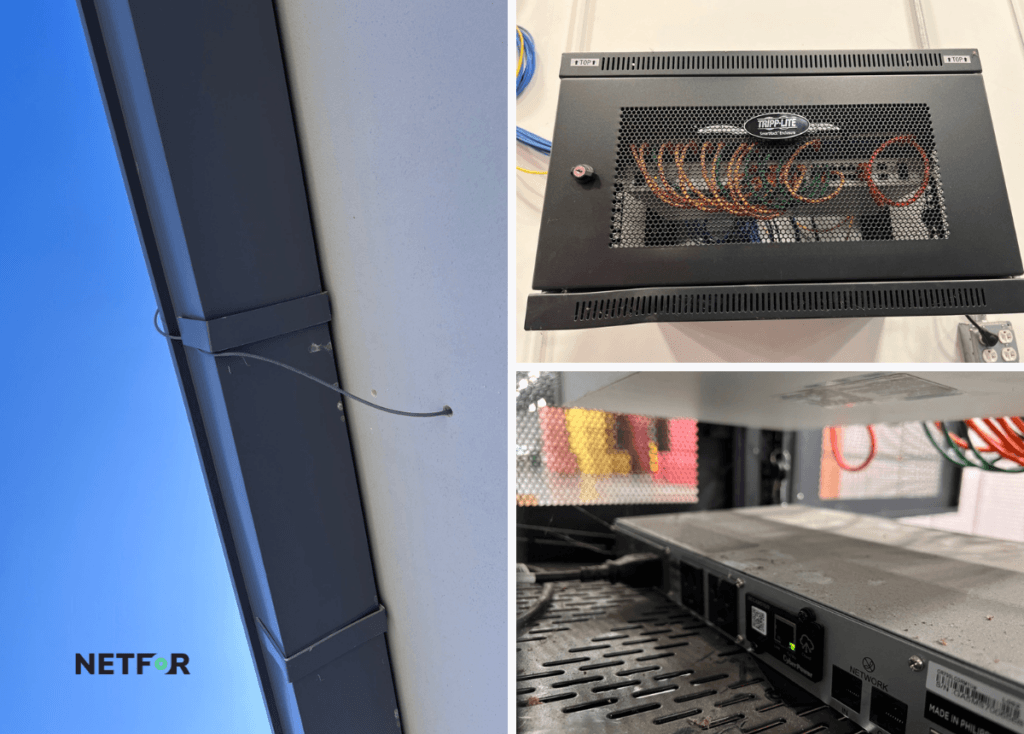
4. Configure the router and network integration
Once the physical setup is complete, you must connect the system to your network. For businesses, this usually means activating bypass mode on the default equipment. The installer configures the connection to work seamlessly with the company's existing firewall and primary IT infrastructure.
5. Test signal strength and performance
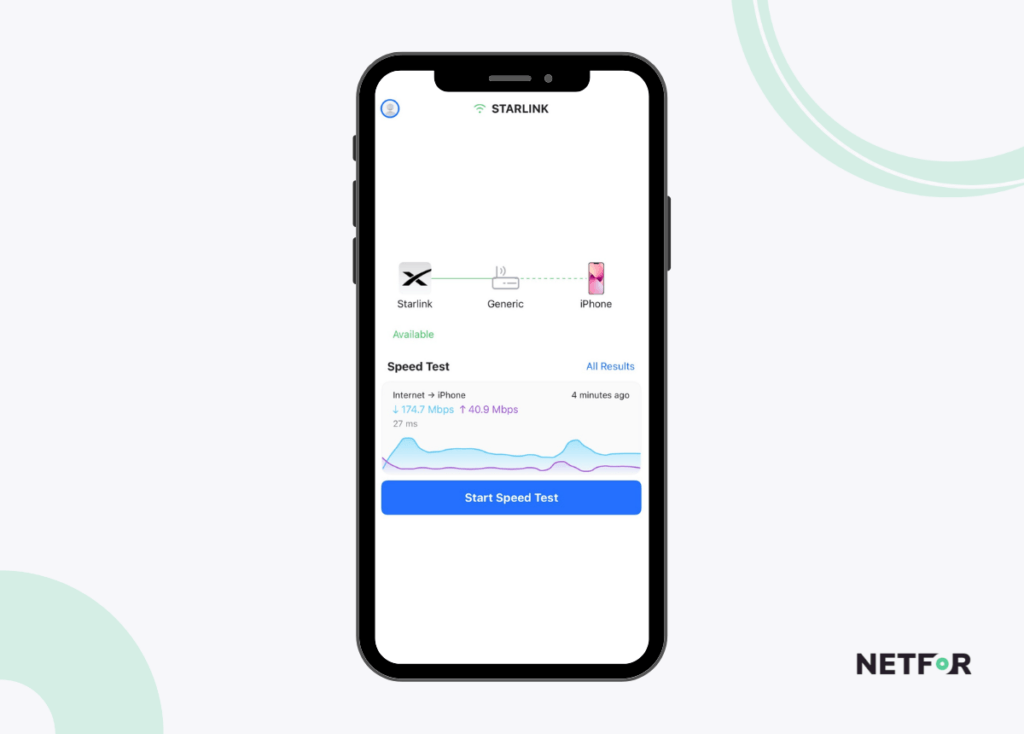
The final step in installing Starlink involves rigorous performance testing. Technicians verify download speeds, upload throughput, and latency. They confirm that the system handles satellite handovers without dropping the connection.
Why is installing Starlink difficult for businesses and multi-location operations?
Installing Starlink at a single residential home is a straightforward project. Doing the same thing across hundreds of retail or franchise locations introduces massive operational challenges. Multi-location businesses face a high degree of environmental variability. Every single store has a unique roof structure, different power availability, and specific obstruction risks.
When local managers attempt a DIY setup, the resulting installations vary wildly in quality. One location might secure the dish properly, while another might leave loose cables exposed to the rain. This inconsistent approach creates unpredictable performance and makes IT lifecycle management incredibly difficult for the corporate help desk.
Coordinating technology deployment and rollout services across 50 to 500 locations is a logistical hurdle. Internal project management teams often lack the capacity to schedule, monitor, and verify hundreds of individual installations. Without proper coordination, deployment success rates drop to 50 to 60% at 100 or more locations (s2s Communications, 2026). Some internal IT rollouts exceed planned timelines by 40 to 60% on average when companies try to manage the logistics without external support.
Businesses also have strict structured cabling and power requirements. Commercial buildings require low voltage installers who understand building codes and safety compliance. A standard DIY approach simply cannot meet the rigorous standards expected by corporate IT departments.
Should you use professional Starlink installation services vs DIY?
Many organizations attempt to save money upfront by relying on internal staff or independent Starlink installers for their rollouts. This DIY approach frequently results in hidden costs, severe performance loss, and elevated operational risks.
Improper installations reduce network performance by 15 to 25% and require expensive rework down the line (s2s Communications, 2026). When a DIY setup fails during peak business hours, the financial consequences are severe. Unplanned downtime costs companies an average of $14,056 per minute (BigPanda, 2024).
The retail industry suffers the highest impact from network outages. Without an internet connection, point-of-sale systems fail, and digital inventory tracking stops completely.
Curious about installing wifi at your business? Check out our guide here.
Professional Starlink installation services eliminate these risks. Working with certified installers guarantees that the equipment is positioned for optimal satellite tracking. It ensures cables are routed safely and that the system integrates flawlessly with your enterprise network. Businesses ultimately face a much lower total cost of ownership by partnering with professionals from the beginning.
What companies offer nationwide Starlink installation services?
The installation market is highly fragmented. A business can choose between local low voltage installers, independent contractors, telecom or satellite installation providers, and nationwide field service partners.
Local independent contractors work well for a single regional office. They cannot scale to support a nationwide rollout. Trying to manage 50 different local vendors creates administrative chaos and billing nightmares for corporate finance teams. Telecom or satellite installation providers offer broader reach but often lack the specialized IT integration skills required for complex enterprise networks.
Nationwide field service deployment is the only reliable solution for multi-location enterprises. A centralized BPO + Field Services partner model provides a single point of contact for the entire rollout. This approach guarantees standardization, strict service level agreements, and consistent quality assurance.
Netfor maintains an expansive onsite technician network featuring vetted, experienced techs with an average of 10 or more years in the field. This deep expertise translates to a best-in-class first-time fix rate of 95%, which significantly outperforms the 80% industry average (IBM, 2026).
With 97% coverage across the United States and a 4-hour response capability, Netfor delivers the speed and consistency that retail and multi-location businesses demand. We handle everything from the initial site survey to final structured cabling installation, ensuring every location meets exact corporate standards.
Scaling Your Connectivity with Confidence
Starlink installation is a highly technical process. It is never a simple plug-and-play exercise. Your network performance depends heavily on precise setup, expert obstruction analysis, and secure hardware mounting. While a DIY approach might suffice for a single residential location, it introduces unacceptable risks for scaled business operations.
Poor installation inevitably leads to costly downtime, lost retail revenue, and inconsistent performance across your brand. Businesses need a dedicated partner that can install, standardize, and support reliable connectivity across every single location.
Netfor provides the vetted talent and centralized coordination required to execute massive technology rollouts flawlessly. If your organization is ready to upgrade its network infrastructure, contact Netfor today. Discover how our nationwide field service capabilities can transform your Starlink deployment into a complete success.