
Fulfillment today is no longer just about storage and shipping. It has transformed into a technology-enabled engine powering retail reliability, B2B precision, and large-scale technology deployments. Yet, many organizations struggle to keep pace. Retailers, franchises, technology companies, and multi-location businesses face intense pressure to improve accuracy, manage shipping complexity, and control costs. All the while, customer expectations for reliability, flexibility, and transparency continue to rise. One of the biggest challenges is managing fulfillment, kitting, configuration, shipping, and installations with minimal friction and maximum speed.
Modern fulfillment services solve this by integrating warehousing, retail fulfillment, B2B logistics, kitting, configuration, and field services into one cohesive operation. When organizations consolidate these processes with a single, expert partner, they reduce costs, increase accuracy, and accelerate deployments at scale. An integrated approach ensures that every step, from storing technology to installing it in the field, is seamless and efficient.
Partners like Netfor demonstrate the power of this model, achieving 99.9% order accuracy on IT configurations and a sub-20-hour time to ship. With 99% inventory accuracy, real-time tracking, and a central location enabling 2-day national delivery, the benefits of a unified fulfillment strategy become clear. This guide explores how these evolved fulfillment services deliver a powerful competitive advantage.
The Evolution of Fulfillment Services
The fulfillment industry has shifted dramatically from a focus on physical logistics to technology-enabled operations. The global fulfillment market is projected to grow from $141.35 billion in 2025 to over $468 billion by 2034, with a compound annual growth rate of 14.24%. This growth is not just about moving more boxes, it is about moving them smarter. Technologies like AI, edge computing, and an augmented workforce are redefining what is possible.
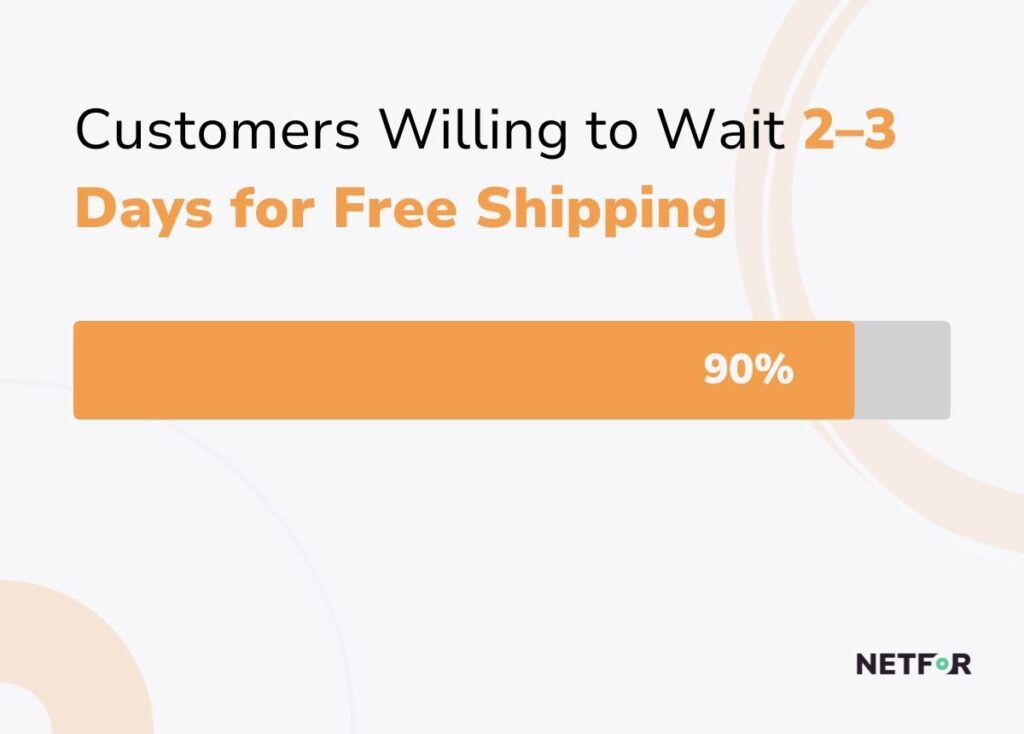
This evolution is driven by changing expectations. While speed was once the ultimate goal, 90% of U.S. consumers now say they are willing to wait 2–3 days for delivery if shipping is free. This indicates a pivot toward reliability and cost-efficiency. Average delivery times have already improved significantly, from 6.6 days in 2020 to 3.7 days in 2024, proving that the industry is adapting. Both retail fulfillment services and B2B fulfillment services now require integrated digital visibility and flexible capacity to meet these complex demands.
To achieve this balance of cost and performance, many businesses are turning to multi-client fulfillment models. These shared-infrastructure solutions offer several key advantages:
- Cost Reduction: A multi-client model can reduce operational costs by 7-9% compared to dedicated facilities by sharing overhead for space, labor, and technology.
- Flexibility: It allows businesses to scale their fulfillment operations up or down based on seasonal demand without being locked into a fixed-cost lease.
- Access to Technology: Companies can leverage enterprise-grade automation and Warehouse Management Systems (WMS) that would be too expensive to implement on their own.
Retail Fulfillment Services: Managing Multi-Store Complexity
Retail moves fast and your technology has to move even faster. Retailers are often facing a nationwide rollout, replacing aging hardware across hundreds of stores, or responding to a critical technology outage, fulfillment services must deliver more than shipping boxes. They must deliver fully configured, ready-to-install technology that arrives on time, every time.
Netfor specializes in retail fulfillment services that streamline store-level technology deployments. Instead of relying on internal teams or fragmented vendors, retailers can use one partner to store, stage, configure, kit, ship, and install technology across every location. This is especially critical during:
- Peak retail seasons, when downtime means lost revenue.
- Technology failures, where speed-to-store is the difference between operating and closing.
- Large-scale initiatives, such as POS replacements, kiosk upgrades, drive-thru system rollouts, digital signage refreshes, or infrastructure updates.
Retailers often struggle with the operational pressure of getting technology into stores quickly and consistently. Shipping delays, inaccurate configurations, or mismatched components can stall an installation for days. That’s why Netfor’s fulfillment model goes beyond traditional warehousing. We ensure your stores receive fully configured, store-ready kits with everything required for a fast install.
Common retail challenges we eliminate include:
- Slow or unreliable tech shipments delaying store operations
- Incomplete or mismatched shipments causing failed installs
- Disorganized vendor handoffs between shipping and field technicians
- Multi-store rollout chaos due to inconsistent packaging or configuration
- Limited store staff availability to manage incoming equipment
When retailers partner with an expert, every shipment arrives purpose-built for the store, paired with coordinated technicians who install it correctly and quickly. Whether it’s 20 stores or 2,000, our fulfillment and field service teams ensure consistent execution at scale, so you stay ahead of customer demand and peak-season pressure. Need those devices supported too? Netfor supports all devices from planning to renewal.

Warehouse Fulfillment Services: The Foundation of Excellence
Modern warehouses are high-tech environments where operational excellence is measured by data and time. Comprehensive warehousing and fulfillment services include inventory management, technology integration, climate controls, and robust Warehouse Management Systems (WMS). The performance of these facilities directly influences cost, accuracy, and customer satisfaction.
Key performance indicators (KPIs) set the standard for operational success. A great fulfillment partner should meet or exceed these benchmarks:
- Storage Utilization: Efficient warehouses achieve over 95% storage utilization, maximizing the value of every square foot.
- Climate Control: For sensitive products like electronics or medical devices, climate-controlled storage is essential. These facilities maintain precise temperature ranges (e.g., 56–75°F) and humidity levels (e.g., 40–60%) to prevent damage.
With our full IT Lifecycle Management (ITLM), the warehouse fulfillment services are part of a larger technology management strategy. The full process starts with receiving and storing technology, then moves to imaging, kitting, and shipping nationwide. The lifecycle continues with installation by a field services team, ongoing support from an IT Help Desk, and maintenance. When the technology is ready for an upgrade, the cycle begins again, providing a seamless, end-to-end solution.
Fulfillment Kitting Services & Configuration: Accelerating Deployments
Fulfillment kitting services are a strategic tool for improving deployment speed and accuracy. Kitting is the process of assembling multiple individual items into a single, ready-to-ship package under one stock-keeping unit (SKU). This seemingly simple process offers significant value, especially for technology deployments. By transforming a warehouse into a "tech-ready" depot, kitting and configuration services ensure that devices arrive ready for immediate use.
Configuration takes kitting a step further by preparing the technology itself. This can include:
- Asset Tagging: Applying barcodes or RFID tags for inventory tracking.
- BIOS Updates: Ensuring all devices have the latest firmware for security and performance.
- Software Imaging: Pre-loading operating systems, applications, and custom settings.
For a retail point-of-sale (POS) rollout, kitting can involve pre-installing software, managing cables, and even running test transactions. For medical devices, kitting may require assembly in ISO-certified cleanrooms to maintain sterility.
By creating "single SKU kits," kitting and fulfillment services simplify inventory management, reduce picking complexity, prevent costly split shipments, and ultimately accelerate deployments while reducing errors. Here’s a glimpse of a Netfor Fulfillment Center in action!

B2B Fulfillment Services and Integrated Technology Deployment
B2B order fulfillment services are tailored to the unique demands of business-to-business transactions. These operations are defined by bulk orders, complex routing guides, strict compliance standards, and long-term partnerships. Industries like healthcare and technology infrastructure depend heavily on precise and reliable B2B fulfillment services to keep their operations running.
A primary challenge in B2B logistics is visibility. Only 50% of B2B organizations report having adequate real-time shipment visibility. This lack of transparency can lead to delays, stockouts, and frustration. Furthermore, B2B operations often require freight-centric shipping methods, such as Less-Than-Truckload (LTL) or Full-Truckload (FTL), which come with their own set of logistical complexities. Failure to adhere to a recipient's routing guide can result in chargebacks of up to 20% of an invoice's value.
Modern B2B fulfillment partners solve these challenges with integrated logistics and technology. By combining fulfillment with field services, they create a streamlined "Depot-to-Device" model. This ensures technology not only arrives on time but is also configured and installed correctly by a qualified technician.
A powerful example comes from a major business services franchisor that was losing $500,000 annually due to fragmented deployment and support. By consolidating its technology rollout with a single partner, the company centralized its fulfillment and eliminated the overspend, saving an estimated $2.5 million over five years. This integrated approach delivered pre-configured "store-in-a-box" solutions, drastically reducing onsite installation time and business disruption.
Streamline Your Operations with an Integrated Partner
The logistics landscape has transformed, with fulfillment services evolving into sophisticated, technology-driven ecosystems. Today’s solutions go beyond basic warehousing and shipping, they integrate logistics, configuration, and deployment into seamless systems designed to meet diverse business needs.
For retail fulfillment services, speed and accuracy are critical to meet consumer demands, while B2B fulfillment services prioritize precision and coordination to handle complex operations. At the heart of these systems are kitting and fulfillment services that deliver significant time and cost savings, especially in managing large-scale technology deployments.
Partnering with an integrated logistics provider enables businesses to combine fulfillment, kitting, configuration, shipping, field support, and IT support into one streamlined process. This eliminates friction, drives down costs, and accelerates scalability, giving both retailers and B2B operators a competitive advantage in today’s fast-paced market.
By consolidating your operations with a single partner, you can simplify your processes, boost efficiency, and support your entire technology lifecycle from start to finish.
Key Benefits of an Integrated Logistics Partner:
- Seamless Operations: Consolidate warehousing, logistics, kitting, deployment, and support into one unified system.
- Speed and Accuracy: Meet the fast-paced demands of retail fulfillment with precision and reliability.
- Cost Savings: Reduce operational friction and eliminate inefficiencies to save time and resources.
- Scalability: Accelerate growth with streamlined processes and advanced technology solutions.
- Comprehensive Support: Manage your entire technology lifecycle, from configuration to support, with one partner.