
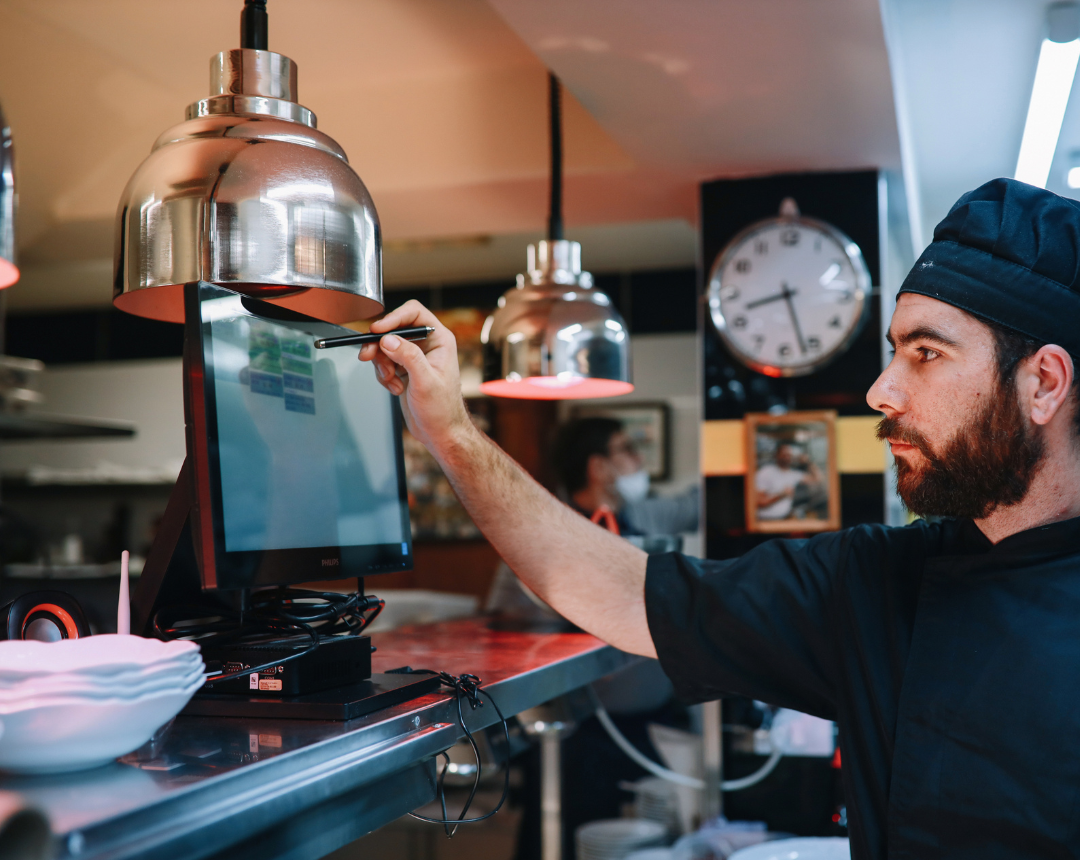
Noon on Friday creates a unique kind of chaos for quick service restaurants. It does not just test your kitchen staff’s ability to assemble a burger or burrito. It stress-tests every single piece of technology your stores depend on. During events like this, or the Super Bowl, transaction volumes can spike, and when order volume climbs that high, even minor IT issues turn into revenue disasters.
A frozen POS terminal during a Tuesday lull is annoying. That same frozen terminal during a pre-kick-off Super Bowl Sunday rush creates a bottleneck that backs up the drive-thru and sends customers to your competitors. Unfortunately, most restaurant IT support models were never built for this level of intensity. They treat every ticket the same, relying on slow queues and first-come, first-served logic that fails when hundreds of locations call at once.
Modern restaurant IT support must prioritize revenue first. It is no longer enough to just fix tickets. Support teams need to protect the money coming in. By combining AI-driven intake with onshore, 24x7 restaurant IT support and nationwide field services, QSR brands can resolve issues faster. This approach keeps operations moving when seconds matter and ensures that your restaurant technology contributes to sales rather than stopping them.
When Restaurant IT Fails, Revenue Stops Immediately
In the QSR industry, technology is the primary path for revenue. With 75% of traffic coming from takeout, delivery, and drive-thru channels (Nationwide, 2026), a digital failure is a total operational failure. If the network drops or the POS system freezes, sales stop instantly.
The cost of this downtime is staggering. For major global QSR players, a multi-store outage during peak hours can result in losses between $1 million and $5 million per hour. Even for smaller operations, the costs add up quickly because revenue is highly concentrated. Most locations generate 40% to 60% of their daily revenue during peak lunch and dinner rushes (Viam, 2026).
Consider a POS outage that happens between 11:30 AM and 1:30 PM. This is not just two hours of downtime. It is the loss of the majority of that day’s revenue potential. Industry estimates suggest that unplanned equipment failures cost U.S. restaurants $46 billion annually (Viam, 2026).
The impact goes beyond just lost sales. When systems fail, staff must switch to manual order-taking. This slows down the line by 30% to 50%. It also increases error rates by 15%, leading to incorrect orders, food waste, and angry customers. In an environment where 40% of customers will defect to a competitor after a single unresolved technical issue, reliable restaurant IT support is not optional. It is essential for survival.
Why Traditional Restaurant IT Support Breaks Under Pressure
Many quick service restaurant brands still rely on traditional IT support models that are ill-equipped for the fast-paced reality of a commercial kitchen. These legacy systems typically fail in two specific ways: lack of prioritization and poor information gathering.
The Queue Problem
Traditional help desks usually operate on a first-in, first-out basis. This means a ticket for a printer issue at a store with low volume might be handled before a ticket for a total system failure at a high-volume flagship store. During a peak event like National Fast-Food Day on November 16th, this lack of triage is fatal to revenue.
What this looks like on the ground for QSR teams
- Revenue-blocking outages wait in the same queue as low-impact issues
- High-volume stores are delayed behind lower-volume locations
- Technicians arrive without full context, urgency, or the right specialization
- Store teams repeat the same information while customers wait
- Misrouted tickets extend downtime during peak sales windows
- Second visits become common, compounding delays and labor costs
These are not one-off failures, they are predictable outcomes of IT support models that were never designed for peak demand, real-time prioritization, or restaurant-scale operations.
This is often why the industry average First Run Rate (FRR) hovers around 88%. Technicians are dispatched without knowing the true urgency or the specific details of the problem. This leads to 1 in 10 service calls requiring a second visit, delaying resolution even further. With Netfor, that FRR jumps to 95%.
How AI Changes Restaurant IT Support Without Replacing Humans
There is a misconception that AI in IT support means replacing human agents with chatbots that cannot solve real problems. In modern restaurant IT support, AI serves a different purpose. It acts as an intelligent intake engine that speeds up access to human help.
Intelligent Intake and Prioritization
An Intelligent Virtual Agent (IVA) uses Natural Language Understanding (NLU) to listen to the caller and determine intent and urgency immediately. If a manager calls and says, "Our POS is down and the line is out the door," the AI tool recognizes this as a revenue-blocking emergency. It can bypass the standard queue and route the call to a human agent immediately.
This structured intake reduces the triage error rate to near-zero (Dialzara, 2026). It ensures that critical issues receive priority, protecting revenue during spikes.
Faster Resolution with Full Context
What the IVA provides before a human answers the phone:
- Caller identity
- Store location
- Specific device having issues
- Urgency level
- Revenue-blocking classification
- Priority routing to the appropriate agent
When the human agent answers, they already know what is broken, where it is happening, and how urgent it is. The conversation starts with resolution, not investigation. This capability drives results. AI-assisted intake can reduce Average Handle Time (AHT) by up to 33%.

Why Nationwide Field Services Matter in Real Restaurant Environments
Remote support can fix software glitches, but it cannot fix a cable that has been chewed through or a printer clogged with grease. Commercial kitchens are environmentally poor places for electronics. Grease fog coats internal components, causing overheating. Spills damage terminals. Rushed employees trip over cables during the lunch rush.
What physically breaks in restaurant environments:
- Cables damaged or unplugged during peak hours
- Printers clogged by grease and debris
- Terminals damaged by spills
- Overheating equipment caused by grease fog
- Network hardware displaced during busy service periods
When hardware fails physically, you need a technician on-site. However, relying on a patchwork of regional vendors creates inconsistency.
The Problem with Regional Vendors
Regional vendors often lack the scale to handle simultaneous outages across different states. They may also have variable quality standards. Managing multiple vendors leads to confusion and delays. It creates coordination cascades where a delay in one region slows down a nationwide rollout or repair project. Use a proven field services provider with a nationwide footprint to get the job done.
The Value of Centralized Coverage
A centralized, nationwide field service model offers consistency. High-performance models offer 97% U.S. coverage, ensuring that even remote stores get support.
More importantly, they offer speed. The standard response time for a critical "Priority 1" incident is typically 2 to 4 hours (IMPLI-CIT, 2026). This ensures that a hardware failure at lunch is resolved before dinner. By integrating field services with your remote help desk, you eliminate the gap between "we tried to fix it remotely" and "a tech is on the way."

Onshore, 24x7 Restaurant IT Support for Peak Days and Every Day
The final piece of the puzzle is the location and availability of your support team. Many providers cut costs by offshoring support to teams that operate in different time zones and cultures. In the high-stress environment of a QSR, this often leads to failure.
The Communication Barrier
Research indicates that 56% of project failures are attributed to poor communication (Calance, 2026). When a store manager is panicking because the KDS (Kitchen Display System) is down, language barriers or cultural misunderstandings can delay resolution.
Onshore teams share the same cultural and linguistic context as your store staff. This leads to clearer communication and faster problem-solving. While offshore rates are lower, the hidden costs of longer resolution times and frustrated staff often outweigh the savings.
True 24/7 Support
Restaurants do not operate on a 9-to-5 schedule. Neither should your support. Many offshore vendors operate 10 to 12 hours ahead of domestic teams, creating gaps in coverage.
Effective 24x7 restaurant IT support means having a full team available during your operating hours, including late nights and weekends. It means that if a system fails at 11:00 PM on a Friday, it is handled with the same urgency as a failure at 10:00 AM on a Tuesday. This availability aligns with the reality of the quick service resturant industry and ensures that you never lose revenue simply because support was closed.
Protect Your Revenue with Modern Support
The upcoming Super Bowl and National Fast-Food Day is a reminder of how fragile restaurant operations can be when volume spikes. But everyday peaks like lunch and dinner rushes pose the same risks. Restaurant IT support is not about closing tickets. It is about keeping the line moving and the registers ringing.
By moving away from traditional models and adopting a strategy that combines AI intake, onshore expertise, and nationwide field services, QSR leaders can protect their bottom line.
Key Takeaways:
- Revenue Focus: Modern support prioritizes issues that stop sales, ensuring critical problems are fixed first.
- AI Speed: AI intake captures context and routes tickets instantly, reducing hold times and errors.
- Smart Field Service Integration: A nationwide field service network like Netfor’s resolves physical hardware issues quickly, even in hostile kitchen environments.
- Onshore Reliability: Netfor’s onshore, 24x7 teams provide clear communication and availability that matches restaurant operating hours.
Do not wait for the next major outage to evaluate your support strategy. Explore how modern QSR IT support keeps stores running when volume spikes and seconds matter.