
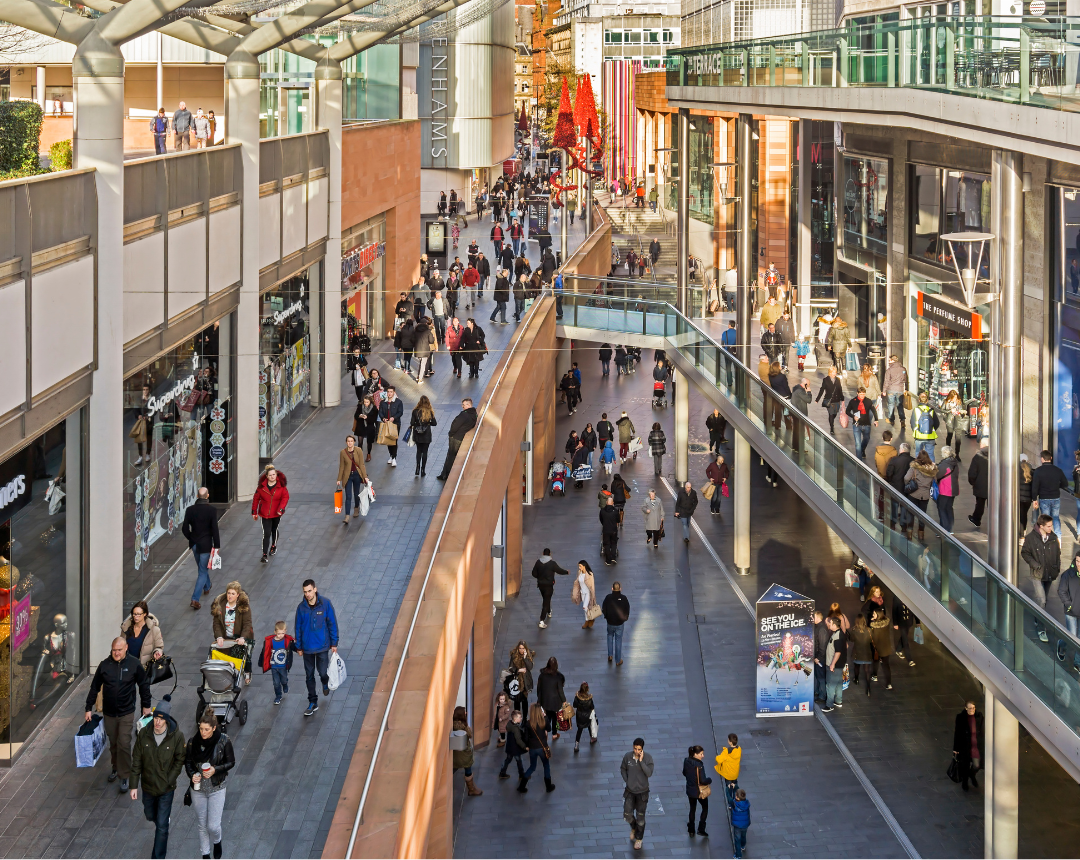
Black Friday is retail’s ultimate stress test. Every second counts, and even the smallest system slowdown can turn long lines into lost sales. Retailers depend on a vast, interconnected web of technology, from POS systems to Wi-Fi networks and digital signage. During high-volume events, these systems face their toughest challenge, and downtime can cost millions. For retail operations managers and IT directors, ensuring system resilience is not just a technical task; it is a critical business imperative.
Modern retailers who prepare their systems for this peak shopping period do more than prevent outages, they protect revenue, enhance customer satisfaction, and build long-term loyalty. This guide explores how modern retail technology solutions, supported by an expert retail help desk, field services, and customer service support, can keep your operations running at peak performance before, during, and after Black Friday. By implementing a proactive strategy, you can turn a high-stakes event into a seamless and profitable experience.
The Retail Technology Ecosystem: What’s at Stake
The modern retail store is a connected ecosystem where nearly every component is a computer. This network of devices, from point-of-sale (POS) terminals and self-service kiosks to Wi-Fi access points and Internet of Things (IoT) sensors, must work in perfect harmony. These systems are not independent; they are deeply interconnected, and a single point of failure can trigger a catastrophic chain reaction that halts operations. Industry data highlights the severity, with 81% of retail executives confirming that technology disruptions directly impact revenue and customer satisfaction.
The core systems that power today’s retail environments are complex and varied. Understanding their roles and dependencies is the first step toward building a resilient infrastructure.
- Core Systems: The foundation of any retail operation includes the retail POS system, payment gateways, retail display installation and digital signage, inventory management software, and self-service kiosks. Each of these components plays a vital role in processing transactions, engaging customers, and managing stock.
- Interdependence: These systems rely on each other to function. For example, a POS terminal needs a stable network connection to communicate with payment gateways and update inventory levels in real time. A single router outage can disable not just the POS system but also security cameras, in-store Wi-Fi, and the ability for associates to check stock on mobile devices.
- Advanced Technologies: The ecosystem is further complicated by advanced technologies like Radio Frequency Identification (RFID) for inventory tracking, mobile POS (mPOS) tablets for line-busting, and cloud-based systems for data management. Many retailers are also adopting Software-Defined Wide Area Networks (SD-WAN) to provide failover connectivity and ensure uptime.

The financial stakes are enormous. Downtime in retail averages $287 million annually for large enterprises. A cascading failure, where one system outage brings down others, can amplify these costs exponentially, especially during a high-stakes period like Black Friday. Proactive management from a retail technology solutions company is essential to prevent these scenarios.
Downtime Costs and the High-Stakes Black Friday Window
During peak shopping periods like Black Friday, the financial and reputational costs of downtime are magnified. What might be a manageable inconvenience on a slow Tuesday becomes a revenue-crushing disaster during the holiday rush. One hour of an outage can erase weeks of margin, making system reliability a critical factor for success. Technology has become a "hygiene factor" for consumers: they do not notice it when it works perfectly, but they instantly punish its failure.
The numbers paint a stark picture of what is at stake. When systems fail, customers leave, and they often do not come back.
- Lost Revenue: The cost of downtime is significant. A single store can lose approximately $855 per hour when just one POS device goes down. A 2016 study by the Ponemon Institute estimated the average cost of downtime at nearly $9,000 per minute for enterprises. For retailers, 60% report that POS downtime during peak hours costs thousands per hour.
- Customer Abandonment: Long lines are a primary driver of lost sales. An alarming 86% of consumers have abandoned a purchase due to long lines. Furthermore, 73% of shoppers will abandon their cart if they have to wait more than five minutes.
- Damaged Loyalty: The impact of a bad experience lingers long after the issue is resolved. Research shows that 70% of shoppers are less likely to return to a store after just one bad experience with long wait times. For a third of consumers, a single negative incident is enough to make them walk away from a brand they love forever.

Metrics like Mean Time to Resolution (MTTR) and uptime percentages become crucial business indicators. For example, a goal of 99% uptime may sound impressive, but it still translates to over 80 hours of potential downtime annually. For retailers, every fraction of a percentage point matters. This is where a partnership with experienced retail technology solution providers becomes invaluable.
Retail Help Desk and IT Support: Your First Line of Defense
When technology issues inevitably arise, a responsive and effective support system is your first line of defense. Differentiating between the various support functions is key to building a robust structure. The Retail Help Desk typically handles Tier 1 issues, acting as the initial point of contact for store associates. Retail IT Support involves more technical, back-end troubleshooting, while a Retail Call Center often focuses on customer-facing inquiries. A seamless integration of these functions ensures that problems are addressed quickly and efficiently.
Key performance indicators (KPIs) define the effectiveness of a retail support operation. These metrics provide a clear picture of performance and highlight areas for improvement.
- Critical KPIs: First Call Resolution (FCR), Mean Time to Resolution (MTTR), Customer Satisfaction (CSAT), and Net Promoter Score (NPS) are the primary metrics. A high FCR rate is particularly important, as studies show a direct correlation: every 1% improvement in FCR can lead to a 1% increase in customer satisfaction.
- Performance Benchmarks: World-class support teams set ambitious service-level targets. Aiming for an FCR rate greater than 70% and a CSAT score above 90% is standard. Response time benchmarks are also critical; best-in-class teams often answer chats in under one minute and emails within an hour.
- The Outsourcing Advantage: Partnering with a Managed Service Provider (MSP) offers significant advantages, especially for multi-location retailers. MSPs can cut IT costs by 25–45% while providing 24/7 coverage and access to a nationwide network of field service technicians. This scalability is essential for handling the surge in support tickets during peak seasons like Black Friday.
Performance That Defines the Standard
While industry-standard FCR rates hover around 70%, Netfor's retail help desk achieves an exceptional 92% first-call resolution rate. Our team answers 97% of calls in under 20 seconds, not one minute, but twenty seconds, ensuring issues are resolved before customers even notice. This performance translates directly to a 98% client retention rate that our retail partners experience year after year.
A well-structured retail help desk not only resolves issues but also collects valuable data that can be used to identify recurring problems and implement long-term fixes.
Preparing for Peak: The Black Friday Technology Readiness Plan
Successfully navigating Black Friday requires months of meticulous planning. A comprehensive technology readiness plan ensures that your systems, people, and processes are prepared for the immense pressure of the holiday shopping season. This proactive approach minimizes risk and maximizes performance when it matters most.
The preparation timeline should begin long before the first doorbuster deals are announced. A structured, step-by-step approach ensures all bases are covered.
- Start Early: Preparation should begin in the summer. This allows ample time for system upgrades, testing, and training. A "code freeze" should be implemented at least two weeks before Black Friday to prevent last-minute changes from introducing new vulnerabilities.
- Rigorous Testing: Validating system capacity is non-negotiable. Various types of testing are required, including load testing (simulating expected traffic), stress testing (pushing systems beyond their limits to find breaking points), and spike testing (simulating sudden surges in activity).
- Scale Your Support: Anticipate a surge in support tickets and scale your retail help desk and field service capacity accordingly. A case example of a national retailer showed that scaling their help desk by 50% before the Black Friday and Cyber Monday (BFCM) weekend reduced downtime by 35%. Utilizing tools like AI-powered chatbots can also help manage ticket volume by providing instant answers to common questions.
- Have a Backup Plan: No amount of preparation can guarantee zero failures. It is crucial to have hardware staging, backup systems, and clear rollback plans in place. If a new software deployment fails under pressure, the ability to quickly revert to a stable version can save the day.
This detailed planning, executed by a skilled retail technology installer and support team, transforms Black Friday from a source of stress into a predictable and successful sales event.

People, Security, and the Path to Resilient Retail
Technology is only one part of the equation. A truly resilient retail operation depends on well-trained people, robust security protocols, and a forward-thinking approach to support. Investing in these areas creates a sustainable framework that not only withstands the pressure of peak seasons but also drives long-term success. The human element, particularly the readiness of your Tier 1 support staff, is critical. Ensuring they have access to a comprehensive knowledge base and are trained on the latest procedures empowers them to resolve issues quickly.
Cybersecurity is another essential component, especially with the high volume of transactions during Black Friday. Proactive security measures are vital to protect customer data and maintain trust.
- Security Essentials: Compliance with standards like PCI DSS (Payment Card Industry Data Security Standard) and GDPR (General Data Protection Regulation) is mandatory. Proactive monitoring for threats is equally important. With 43% of retail breaches involving compromised credentials, implementing strong access controls and regular security audits is a must.
- The Power of AI: Artificial intelligence is revolutionizing retail security. AI-based anomaly detection can reduce breach identification time by 40%, allowing for a much faster response to potential threats. Automating security patches and maintaining 24/7 monitoring further strengthens your defenses.
- Predictive Support: The future of retail IT support is moving from a reactive model to a predictive one. By leveraging AI and IoT insights, retail technology solution providers can identify potential issues before they cause downtime. This shift is exemplified by Netfor’s model, which uses remote diagnostics to resolve issues without dispatching a technician, reducing both costs and environmental impact.
- Sustainability and Efficiency: Modern retail technology solutions also offer opportunities for greater sustainability. For example, Macy’s saved $1.2 million annually through smart energy management systems. Adopting energy-efficient hardware and remote-first support models aligns with corporate responsibility goals while improving the bottom line.
By integrating people, security, and predictive technology, retailers can build an operation that is not just prepared for Black Friday but is resilient year-round.
Your Strategy for a Winning Holiday Season
In the modern retail landscape, reliable technology is invisible, but its failure is painfully obvious. As Black Friday approaches, the retailers who will win are those who treat technology readiness as a core business strategy, not just a technical checklist. The foundation of this strategy rests on expert customer support, a scalable retail help desk, and skilled field technicians who work together to keep systems running, customers happy, and revenue secure.
By adopting a proactive approach and partnering with the right retail store technology solutions expert, you can transform the holiday rush from a high-risk gamble into your most successful sales period of the year. Netfor delivers end-to-end retail technology support, from proactive monitoring and remote configuration to on-site field services, all built for scalability and peak performance.
Get your systems Black Friday-ready with Netfor’s proven retail technology solutions and 24/7 retail help desk support.